Easy Animal Softies: Free Crochet Patterns for Beginners
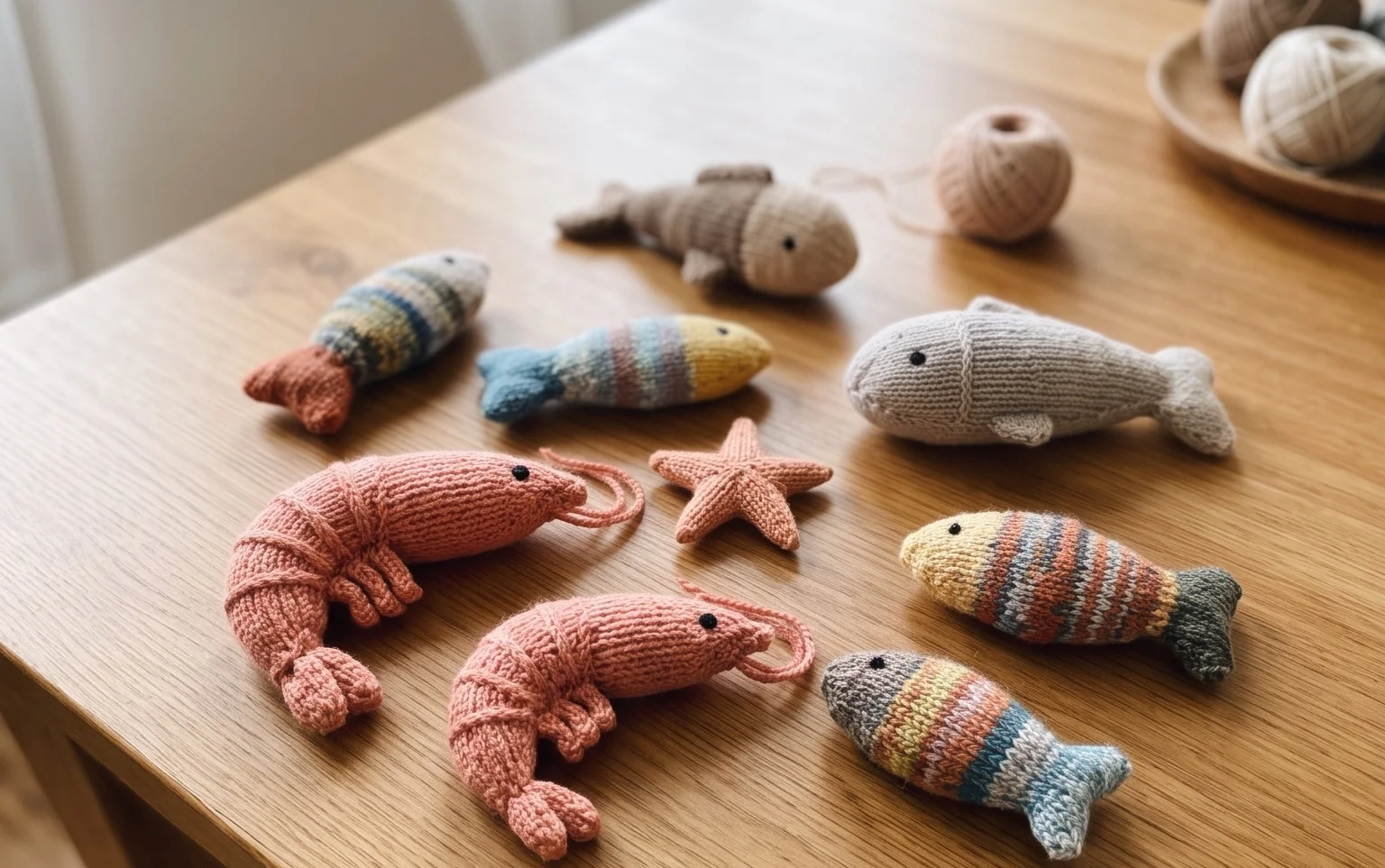
These plush ocean creatures have a soft, squishy texture that makes them ideal for nursery decor or as comforting companions for young children. Crocheting an octopus or a jellyfish creates a tangible sense of accomplishment, especially since each piece comes together within a single afternoon. Beginners will appreciate the straightforward construction, as these projects rely heavily on working in the round using simple single crochet stitches. You will learn how to transition between colors to create realistic markings and master the art of increasing and decreasing to form rounded shapes that hold their form after repeated play.
Why This Project Is Worth Making
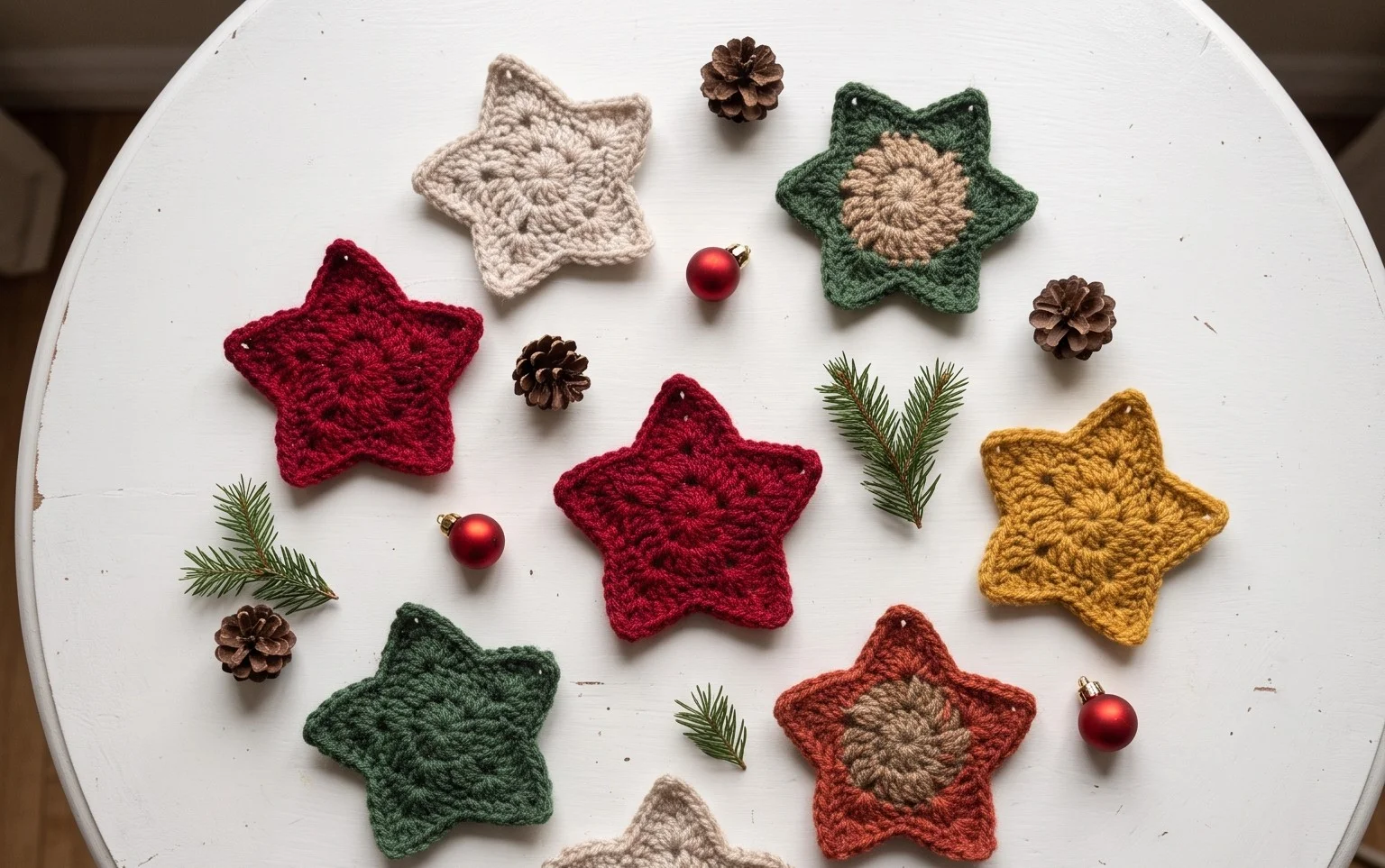
The Classic Crochet Granny Square is the fundamental building block of crochet heritage. This pattern relies on a rhythmic, three-double-crochet cluster technique that works up quickly, making it a satisfying project for using up leftover yarn scraps. Because each round adds uniform growth, you can stop at any size to create a coaster, a dishcloth, or continue until you have a full-sized afghan. The construction is inherently stable, meaning it holds its shape well after repeated washing. It is also a portable project, as each square requires only a few minutes of focused attention.
I started with these squares to practice my tension and ended up with enough pieces to sew together a colorful throw blanket. The stitch repeat is so easy to memorize that I could finish a square while listening to an audiobook.
— Sarah, hobbyist crafter
Pattern Overview & Skill Level
- Skill Level: Beginner
- Approximate Time: 20–30 minutes per 6-inch square
- Construction: Worked in joined rounds, turning after each round to maintain a balanced square shape
- Finished Dimensions & Sizing: Approximately 6 inches square using worsted weight yarn
Materials & Supplies Needed
- Yarn: Worsted weight (#4) acrylic or cotton blend, approximately 20–30 yards per square.
- Hook Size: 5.0 mm (US H-8) crochet hook.
- Notions needed: Yarn needle for weaving in ends, sharp scissors.
- Safe yarn substitutions: You may use DK weight yarn with a 4.0 mm hook for a smaller, tighter square, or bulky weight yarn with a 6.0 mm hook for a larger, quicker square. Be aware that changing the yarn weight will alter the final dimensions and drape.
Stitch Guide & Abbreviations (US Terms)
- ch: Chain
- st: Stitch
- sl st: Slip stitch
- dc: Double crochet
- Cluster: A group of 3 dc stitches worked into the same space.
- Corner: A sequence of (dc 3, ch 2, dc 3) worked into a chain-2 space to create a 90-degree angle.
- Join: Insert hook into the first stitch of the round and pull yarn through both the loop on your hook and the working loop.
Step-by-Step Pattern Instructions
Square Body
- Rnd 1: Start with a magic ring. Ch 3 (counts as first dc), work 2 dc into the ring, ch 2. *Work 3 dc into the ring, ch 2. Repeat from * 2 more times. Join with a sl st to the top of the starting ch 3. (12 dc, 4 ch-2 spaces)
- Rnd 2: Sl st into the next 2 sts and into the first corner ch-2 space. Ch 3, (2 dc, ch 2, 3 dc) in same corner space. *Ch 1, skip 3 sts, (3 dc, ch 2, 3 dc) in next corner space. Repeat from * 2 more times. Ch 1, join with a sl st to the top of the starting ch 3. (24 dc, 4 corner spaces, 4 ch-1 spaces)
- Rnd 3: Sl st into the next 2 sts and into the first corner ch-2 space. Ch 3, (2 dc, ch 2, 3 dc) in same corner space. *Ch 1, 3 dc in next ch-1 space, ch 1, (3 dc, ch 2, 3 dc) in next corner space. Repeat from * 2 more times. Ch 1, 3 dc in final ch-1 space, ch 1, join with a sl st to the top of the starting ch 3. (36 dc, 4 corner spaces, 8 ch-1 spaces)
- Rnd 4 and beyond: Continue in this manner, working 3 dc clusters in every side ch-1 space and the (3 dc, ch 2, 3 dc) corner sequence in every corner ch-2 space. Each round will increase the total stitch count by 12 dc.
Finishing
Once you reach your desired size, fasten off leaving a 6-inch tail. Pull the tail through the final loop to secure it. Thread the tail onto a yarn needle and weave it back and forth through the back of the double crochet clusters to hide it securely. Ensure your tension is consistent so the square does not pucker or curl.
Care & Washing Instructions
- Machine wash your finished squares on a gentle cycle in cold water with mild detergent.
- Lay the squares flat on a clean towel and reshape them while damp to ensure the corners remain square.
- Avoid using a tumble dryer, as high heat can damage synthetic fibers and cause the yarn to lose its structure.
Pro Tips & Common Mistakes to Avoid
Maintaining even tension is the most important aspect of this project. If your stitches are too tight, the square will cup inward; if they are too loose, the square will ripple. Use a stitch marker in the first stitch of every round to easily identify where to join, as the chain-3 can be difficult to see after the first round. Weave your ends in as you go to prevent a tedious finishing process at the end of a large project. If you wish to adjust the size of the square, simply add or subtract rounds, keeping in mind that each additional round will require approximately 15% more yarn than the previous one.
Frequently Asked Questions
Can I use a different weight of yarn for this pattern?
Yes, you can use any weight of yarn. Use a hook size that corresponds to your yarn label’s recommendation for a standard fabric, or go down one hook size if you prefer a tighter weave with fewer gaps between stitches.
Why is my square curling instead of laying flat?
Curling usually indicates that your tension is too tight or that you are missing chain-1 spaces along the sides. Ensure you are working a chain-1 between your 3-dc clusters on the sides to provide enough room for the fabric to expand.
Is this project suitable for selling finished items?
You are welcome to sell physical items made from this pattern. I ask that you credit the designer and use your own photographs to represent your work when listing your items online.
How do I join multiple squares together?
There are several methods for joining, including the whip stitch, the flat slip stitch join, or the single crochet join. The whip stitch is the most common for beginners and creates a nearly invisible seam when worked through the back loops of both squares.
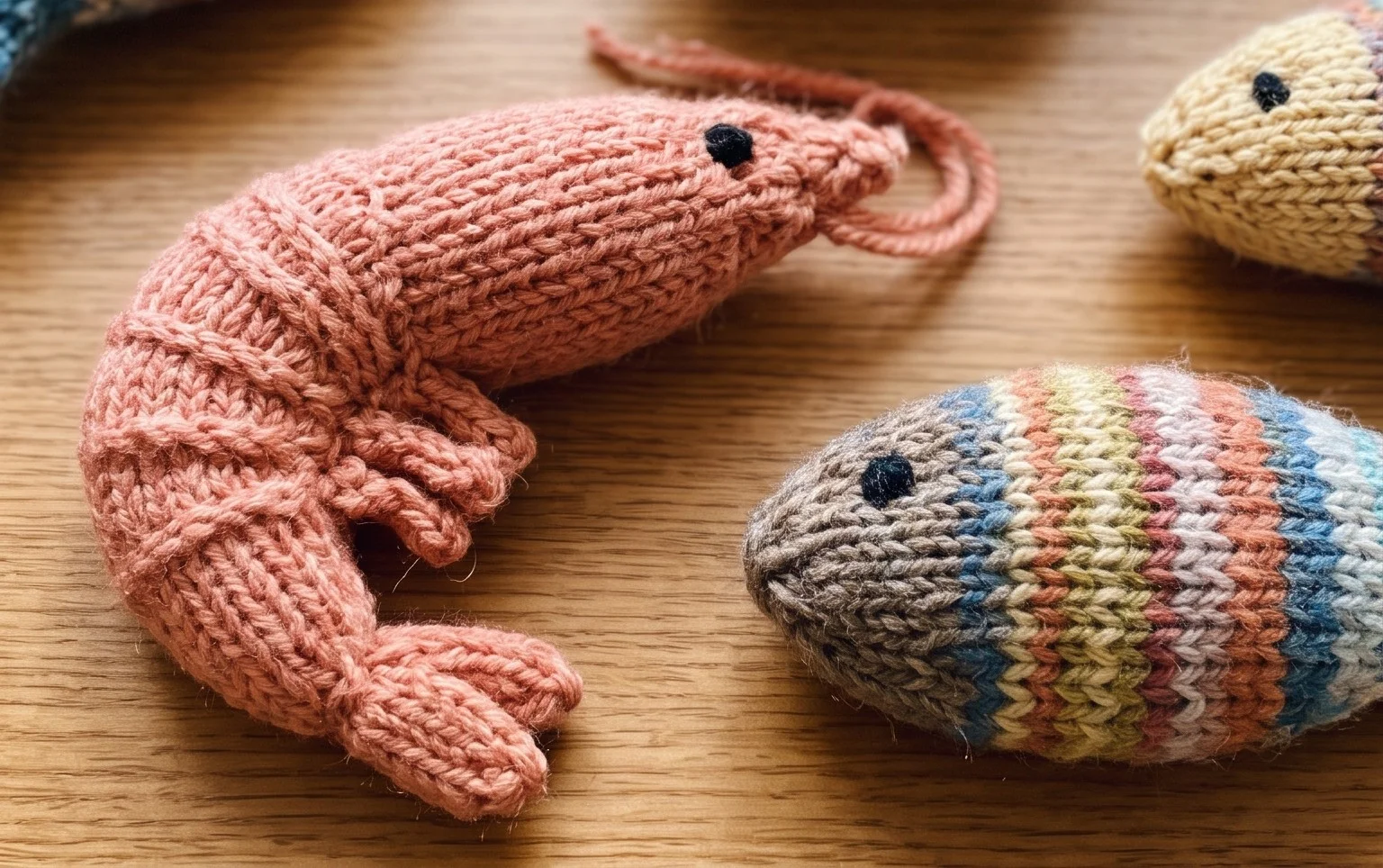
Watching a simple ball of cotton yarn transform into a friendly crab or a smiling whale is deeply rewarding. You might try working these patterns in a fuzzy chenille yarn to give your marine friends an extra soft, velvet-like texture that feels wonderful to hold. Please share your finished creations on social media so others can see your color combinations and unique character details. If you enjoyed this project, you can find many more accessible, beginner-friendly patterns waiting for you on our main blog feed.