30+ Free Crochet Christmas Ornament Patterns for Beginners
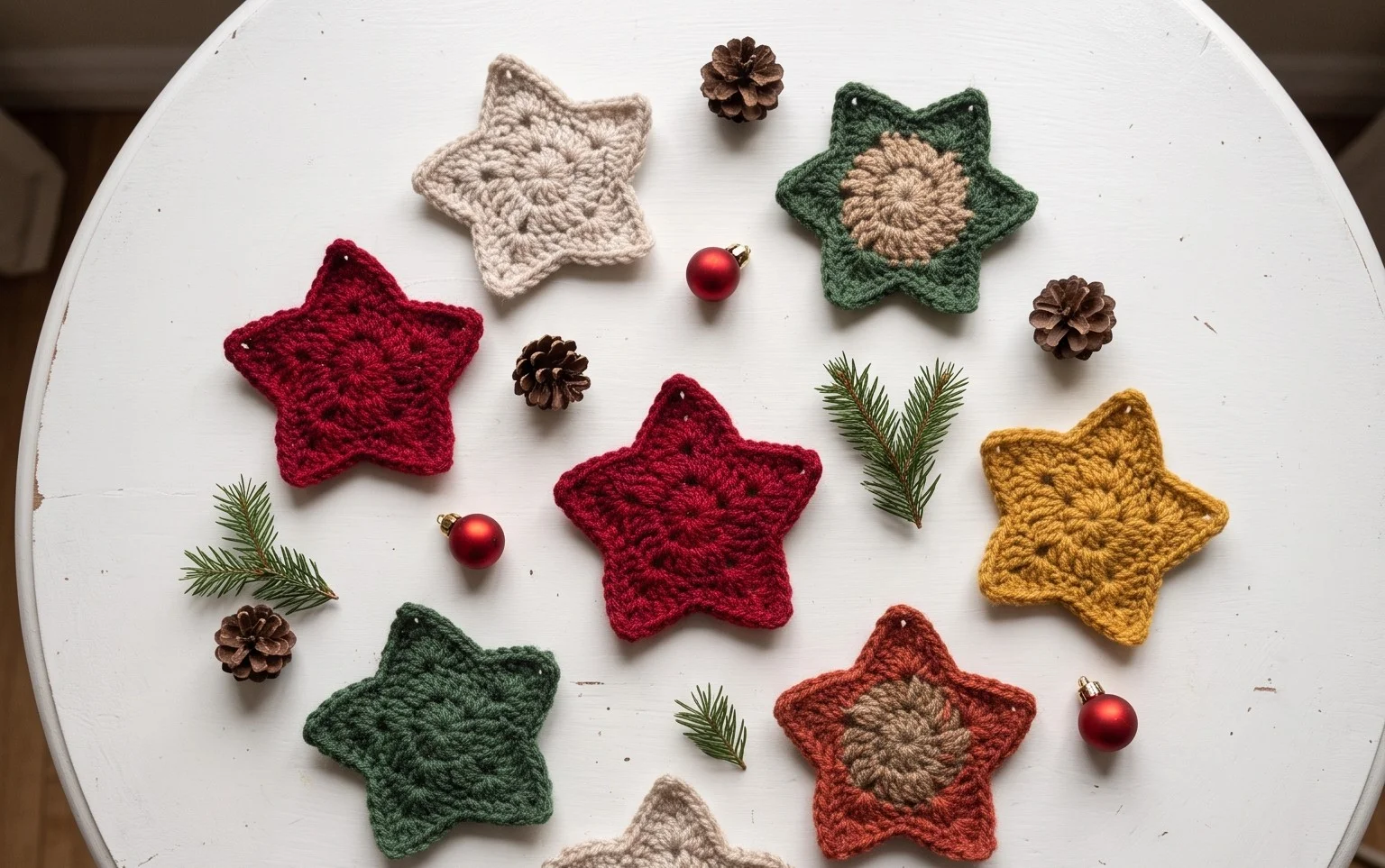
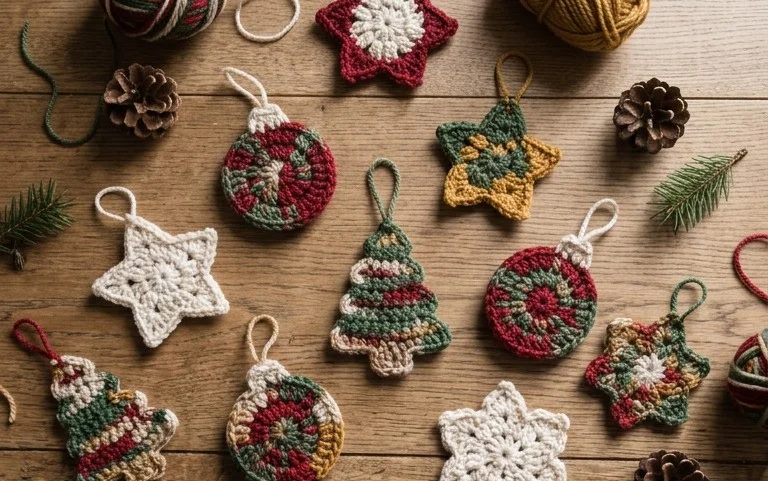
Handmade ornaments bring a sense of nostalgia to a tree that store-bought plastic spheres cannot replicate. These lightweight yarn decorations catch the light softly and add a cozy, tactile element to your holiday styling. Beginners will find these projects approachable because they often require only a small amount of scrap yarn and basic stitches like the single or double crochet. You can finish one in less than an hour while sitting by the fireplace. This collection covers techniques such as working in the round, creating simple shells, and adding decorative hangers to personalize your seasonal decor.
Why You’ll Love This Pattern
The Classic Crochet Dishcloth is the fundamental project every maker needs to master basic stitch tension and edge uniformity. Its sturdy construction comes from the humble single crochet, creating a dense, durable fabric that stands up to heavy scrubbing in the kitchen. Because this project is small, it requires less than one skein of cotton yarn, making it a perfect candidate for using up those small leftover balls from larger projects. The repeating rows offer a rhythmic, meditative pace, allowing you to finish an entire cloth during a single evening of television or a short commute.
I finally learned how to keep my edges straight after making three of these in a row. They are the only dishcloths I use in my kitchen now.
— Sarah, home crafter
Pattern Overview & Skill Level
- Skill Level: Beginner
- Approximate Time: 45 to 60 minutes
- Construction: Flat panel worked back and forth in rows
- Finished Dimensions & Sizing: 8 inches by 8 inches
Materials & Supplies Needed
- Yarn: Worsted weight (#4) 100% cotton yarn, approximately 60 yards per dishcloth.
- Hook Size: 5.0 mm (US H-8).
- Notions: Yarn needle for weaving in ends, scissors, and a stitch marker to track the end of each row if you struggle with edge stitches.
- Safe yarn substitutions: You may use a cotton-acrylic blend for a softer feel, though 100% cotton provides better absorbency and heat resistance for kitchen tasks. Using a lighter weight yarn will result in a significantly smaller cloth unless you increase your starting chain.
Stitch Guide & Abbreviations (US Terms)
- ch: chain
- st(s): stitch(es)
- sc: single crochet (insert hook in st, yarn over, pull up loop, yarn over, pull through two loops)
- turn: turn your work to begin the next row
- …: repeat the instructions between the asterisks as indicated
Step-by-Step Pattern Instructions
Main Body
- Foundation: Ch 31.
- Row 1: Sc in the second ch from the hook and in each ch across. (30 sts)
- Row 2: Ch 1, turn. Sc in each st across. (30 sts)
- Rows 3 through 30: Repeat Row 2 until the piece measures approximately 8 inches square. (30 sts)
Finishing
After completing Row 30, do not fasten off immediately. Ch 1 and work a round of sc evenly around the perimeter of the square to create a polished border. Work 3 sc into each corner to prevent the edges from curling. Once you reach the beginning of the round, slip stitch to the first sc, fasten off, and weave in your ends securely using a yarn needle.
Care & Washing Instructions
- Machine wash your dishcloths in warm water with like colors on a gentle cycle.
- Tumble dry on low heat or lay flat on a clean towel to prevent excessive shrinking.
- If the cloth loses its shape, dampen it slightly and pull gently into a square before letting it air dry completely.
Pro Tips & Common Mistakes to Avoid
Achieving a uniform tension is vital for a dishcloth, as uneven stitches will create gaps where dirt can collect. If you find your edges are becoming jagged or shrinking, ensure you are counting your stitches at the end of every single row; you should always have exactly 30 stitches. Using a stitch marker in the final stitch of every row helps beginners identify exactly where to place their last hook insertion on the subsequent row. To adjust the size, simply add or subtract chains in multiples of one, but remember that changing your starting width will require more or less total yarn to maintain the square shape.
Frequently Asked Questions
Can I use a larger hook to make the project go faster?
Yes, you can use a larger hook, but it will result in a looser, more open fabric. This reduces the scrubbing power of the dishcloth and may cause it to stretch out of shape quickly during use.
Why do my edges look wavy or uneven?
Wavy edges usually occur when you accidentally add stitches at the end of a row or work too loosely into the turning chain. Ensure you are only working into the actual single crochet stitches and not the turning chain itself.
Are these dishcloths safe to sell at craft fairs?
You are welcome to sell finished items made from this pattern, provided you credit the design. Always check your local craft fair regulations regarding the labeling of handmade textile goods, as some regions require fiber content and care labels.
Is this pattern suitable for someone who has never held a crochet hook?
This is an ideal starter pattern because it relies on the single crochet, which is the most basic building block of all crochet. It provides enough repetition to build muscle memory without the complexity of changing colors or working in the round.
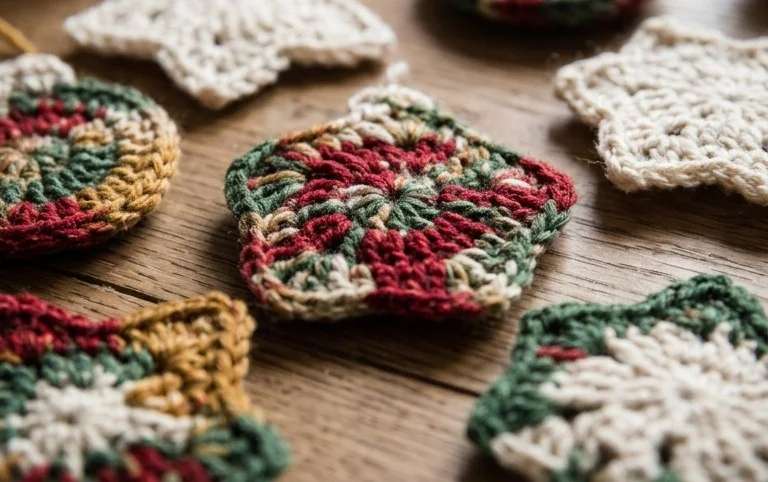
Seeing your handmade ornaments hanging from the pine needles brings a unique joy to the decorating process. Try switching your yarn to a sparkly metallic thread if you want a subtle shimmer on your tree. Post a photo of your finished work on social media so others can see your color choices. I enjoy seeing how different makers put their own spin on these designs. Head back to the main blog page to find more inspiration for your next weekend project and keep your hooks busy.